
Edition: Summer 2026
Over the past few weeks, our region has experienced a series of developments that few could have anticipated at the outset of the year. Since February 28, the Gulf has seen rapid changes that have reshaped the operating environment for offshore industries, bringing both challenges and uncertainties. For those of us working closely with offshore assets—rigs, vessels, and critical infrastructure—the need for vigilance, resilience, and adaptability has never been more apparent. While the situation continues to evolve, what remains constant is our commitment to maintaining safety, reliability, and operational continuity for our partners. As we adjust to what is quickly becoming a new normal, we recognize the importance of staying informed, prepared, and united as an industry. Above all, we remain hopeful that a stable and diplomatic path forward will emerge, ensuring long-term security and prosperity for the region. In the meantime, we will continue to support our clients with the expertise and dedication they rely on.
Surface Supplied Diving Solutions
For more than 20 years, we have been delivering safe and reliable surface supplied diving services to the offshore industry. Since 2005, our teams have supported a wide range of subsea inspection, maintenance, and repair operations.
Surface supplied diving remains one of the most effective and cost-efficient solutions for shallow-water operations, making it particularly well suited to the operating conditions found throughout the Arabian Gulf. By providing continuous communications, an uninterrupted breathing gas supply, and enhanced diver safety, this method offers a dependable approach for critical underwater tasks.
Our diving capabilities include Air Diving, Nitrox Diving, and Mixed Gas Diving, enabling us to support projects across a variety of water depths and operational requirements. We also maintain a complete range of diving equipment and daughter craft, customized for commercial diving.
Different surface supplied diving techniques:
Air Diving
- The most common and simplest method is used, extending from the surface down to approximately 50 meters.
- At greater depths, bottom time is severely limited due to increased pressure and gas loading.
- Nitrox is oxygen and nitrogen with a higher oxygen content than normal air.
- With less nitrogen to absorb, divers can stay longer at depth while using shallower decompression tables.
- Mixed gas diving uses Heliox, a blend of helium and oxygen, instead of air or Nitrox for deeper operations.
- Heliox is expensive and must be premixed and delivered in quads, so it becomes cost‑effective from roughly 40–50 meters.
- Although depths beyond 150 meters are possible, bottom time is very short, so this method suits brief, uncomplicated tasks.
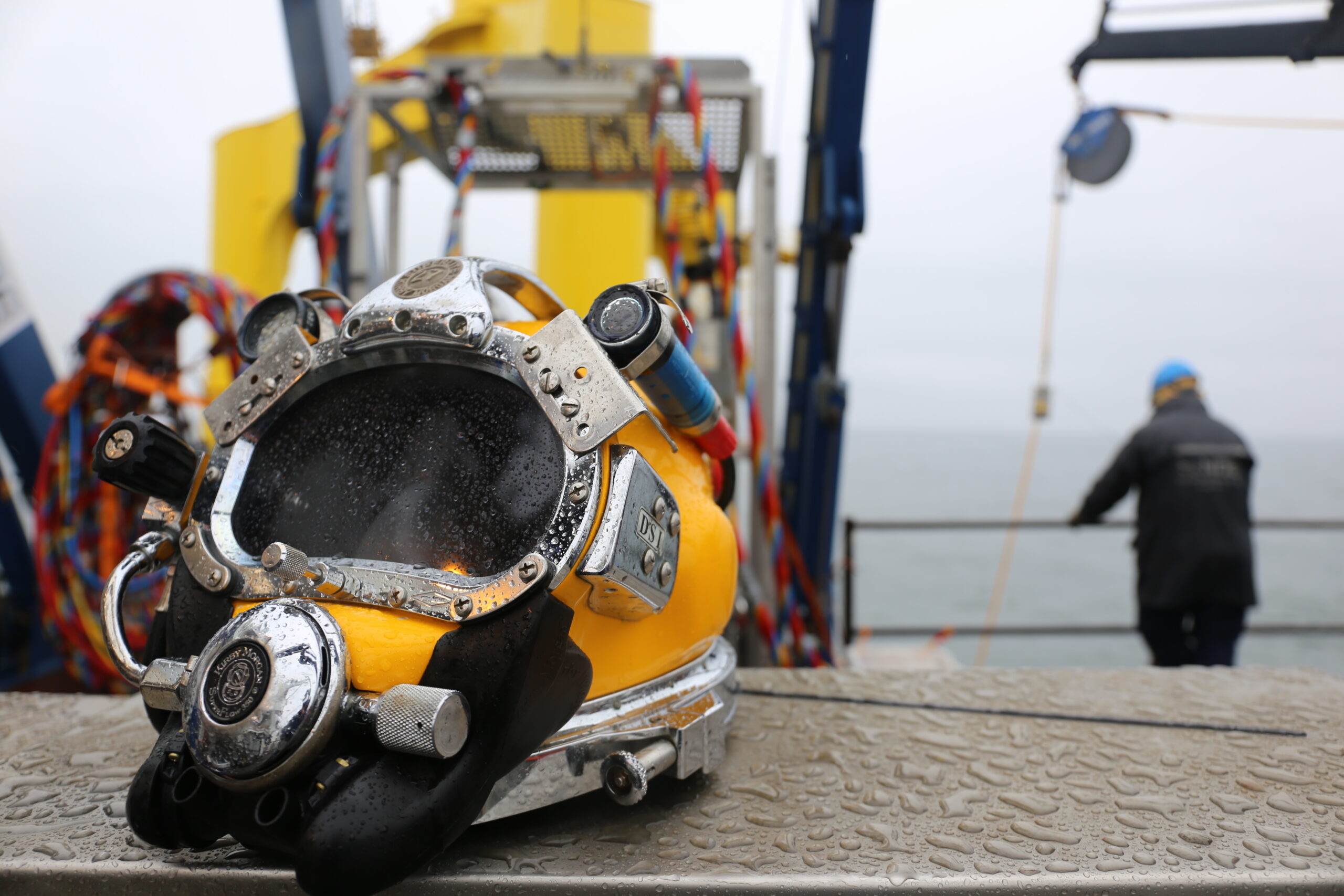
Quality, safety, and compliance are at the core of everything we do.
Whether supporting routine inspections or complex offshore campaigns, we continue to deliver diving solutions that combine experience, safety, and operational efficiency.
Contact us to learn more about our diving services.

Industry News Tip:
Offshore oil and gas installations present a unique safety management challenge: high-hazard industrial operations in a remote, isolated, and harsh environment from which rapid evacuation may be impossible. The regulatory framework governing offshore safety — shaped profoundly by the Piper Alpha disaster of 1988 — is among the most comprehensive in the world. This guide covers the full landscape of offshore safety management from regulatory requirements to daily operational controls.
Offshore Safety Management — Complete Guide 2026
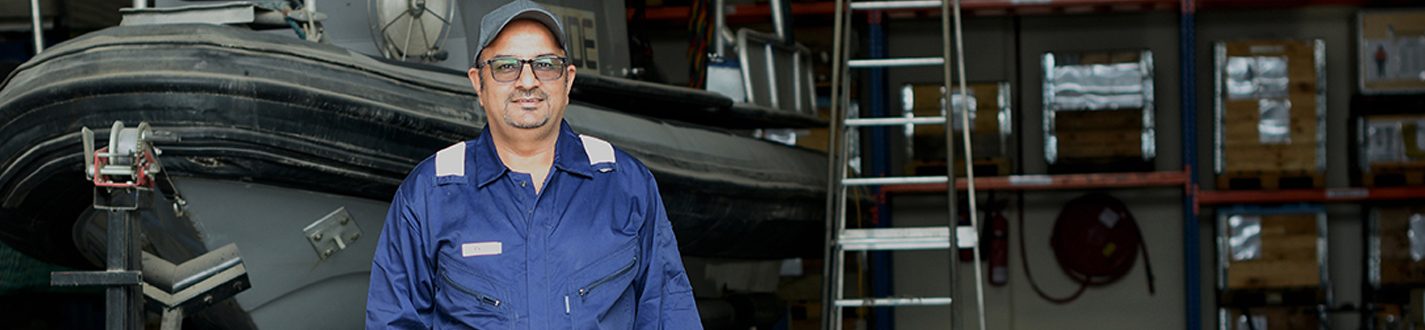
A Day in the warehouse: Malkinder Singh, Senior Mechanical Dive Technician & Asset Manager at NDE Offshore
In the offshore industry, reliability isn’t just important—it’s essential. Behind the scenes, making sure every piece of equipment is ready to perform is no small task. At NDE Offshore, that responsibility falls to Malkinder Singh, who balances a dual role as both Senior Mechanical Dive Technician and Asset Manager.
With over a decade of experience in dive technology, Malkinder brings a practical, hands-on approach to keeping operations running smoothly—whether he’s in the warehouse or offshore. We sat down with him to talk about what a typical day looks like.
Q: So Malkinder, how does your day usually start?
A: Most days start in the warehouse with a good coffee and a checklist. I’ll go through the status of our equipment—what’s been serviced, what’s due for inspection, and what’s getting ready to go offshore. It’s about making sure everything is where it should be and ready when we need it.
Q: What keeps you busiest in your role as Asset Manager?
A: A lot of it is planning. I’m constantly tracking how our equipment is performing and looking for ways to avoid problems before they happen. Preventative maintenance is a big focus—if we can catch something early, we save time, money, and potential issues offshore.
There’s also the compliance side. We must meet strict industry standards, so I make sure everything is certified and up to date. And then there’s the bigger picture—deciding when to repair, upgrade, or replace equipment.
Q: What does a typical day in the warehouse look like for you?
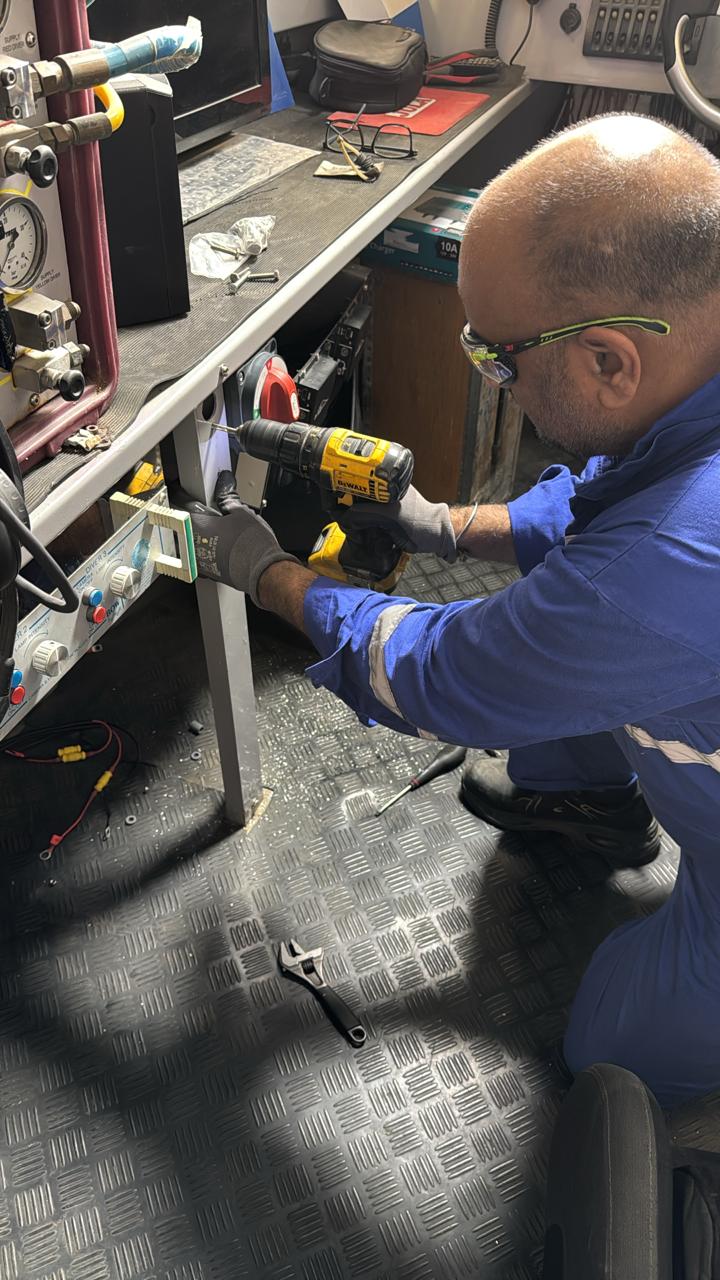
A: It’s hands-on. I’ll be working with the team to test and check equipment, making sure everything is calibrated and ready to go. There’s always something to prepare for the next project.
At the same time, I’m in touch with different teams—operations, engineering, management—just making sure we’re all aligned. Good communication makes a big difference in avoiding last-minute surprises.
Q: And when you head offshore? How does the job change?
A: Offshore, it’s more about being in the moment. You’re part of the dive team, and your focus is on keeping systems running and solving problems quickly if they come up.
Conditions can change fast, so you need to stay sharp and stick to safety procedures at all times. There’s no room for shortcuts out there.
Q: It sounds like communication is a big part of your role.
A: Definitely. You’re constantly working with different people, and everyone depends on accurate information. Whether it’s equipment status or technical issues, clear communication keeps everything moving smoothly.
Q: What do you enjoy most about the job?
A: Honestly, it’s the variety. One day you’re in the warehouse planning and preparing, the next you’re offshore dealing with real-time challenges. It keeps things interesting.
And at the end of the day, you know the work you’ve done helps keep people safe—that’s what matters most.
From early-morning checks in the warehouse to high-pressure moments offshore, Malkinder Singh plays a key role in keeping operations running safely and efficiently. It’s this combination of planning, technical know-how, and teamwork that helps NDE Offshore deliver reliable equipment to those who depend on it most.